We stop the mosquito before it can fly, delivering measurable impact where it’s needed most

The Success

Malaria control has been one of global health’s greatest achievements.
In 2024:

lives
1 M

Saved one million lives

cases
0 M

Prevented 170 million cases

The Risk

lives
0 K+

600,000+ lives lost to
malaria annually
Source: WHO

cases
0 M

282 million malaria cases
Source: WHO

deaths
0 %

95% of malaria deaths occur in Africa
Source: WHO

population
0 %

50% of the world’s population
is at risk of dengue  
Source: WHO

The Threat

  • New populations at risk
  • Climate change and urbanization expanding vector habitats
  • Changing mosquito behavior reducing indoor-only interventions
  • Spread of invasive vector species

The Threat

  • New populations at risk
  • Climate change and urbanization expanding vector habitats
  • Changing mosquito behavior reducing indoor-only interventions
  • Spread of invasive vector species
Our Global Impact

CASE STUDIES

Ghana

“Our working hours have decreased significantly.”
-Ghana field team

Philippines

Targeting Aedes mosquitos that spread Dengue.

Kenya

Working with cities

Who Benefits from SORA

Governments

Strengthen surveillance systems
with real-time data.

Local Community

Measureable impact for
grant-funded programs.

Private Sector

Precision agriculture and environmental,
social, and governance reporting.

Partners

WHO

UNITAID

GAVI

GLOBAL FUND

RBM Partnership to End Malaria

Country Partners

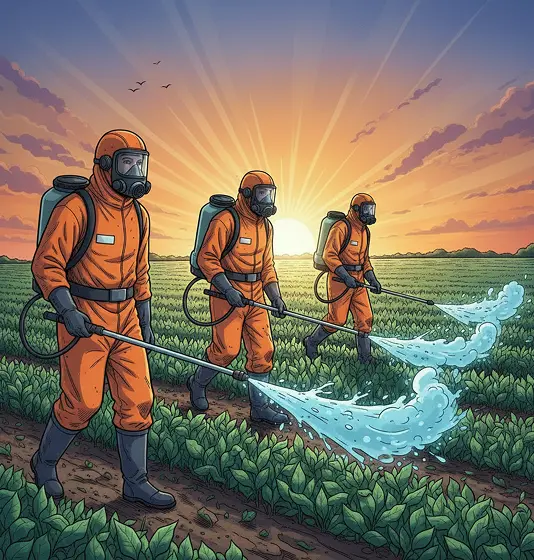
“Our working hours and travel distances have decreased, significantly reducing the burden of workers.”

– Ghana Intervention Zone Spray Team

Global Health Leaders Endorse

Beyond Disease Control

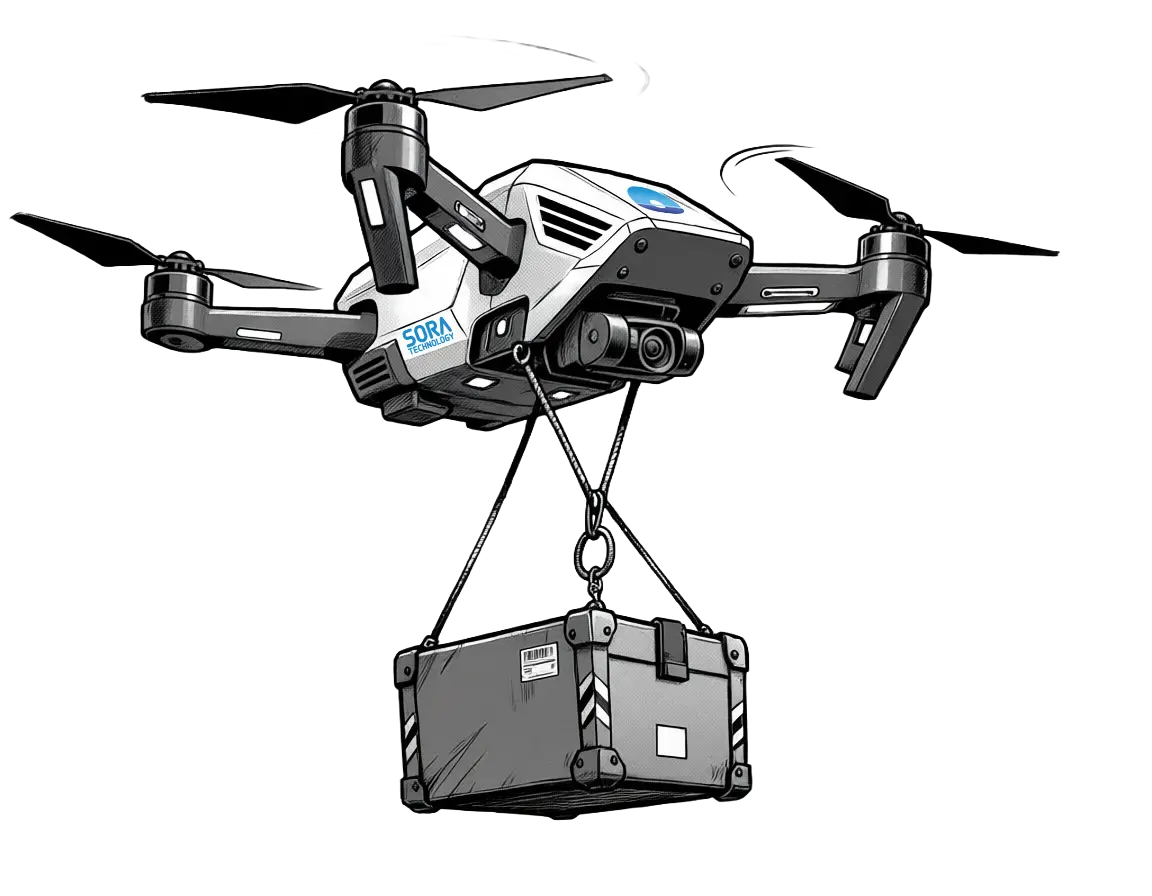
  • Emergency small-lot deliveries of  urgent, temperature-controlled commodities
  • Safe, reliable, on-demand transportation using drone air delivery
  • Targeted climate adaption solutions for small holder farmers
  • Quantifies soil moisture, vegetation, topography for optimization
  • Addresses soil degradation empowering sustainable farming

Beyond Disease Control

  • Emergency small-lot deliveries of  urgent, temperature-controlled commodities
  • Safe, reliable, on-demand transportation using drone air delivery
  • Targeted climate adaption solutions for small holder farmers
  • Quantifies soil moisture, vegetation, topography for optimization
  • Addresses soil degradation empowering sustainable farming

Ready to Create Impact?

Transform your disease control and development programme

Governments

Government agencies face growing pressure to deliver effective malaria control within constrained budgets. Field data from Ghana shows what SORA’s drone and AI-assisted approach delivers in practice: a 60% reduction in larvicide use, 50–70% lower labour costs, and up to 468% more breeding sites identified than conventional manual methods. The approach also generates digital data that strengthens early warning systems and supports administrative decision-making — giving donors and national malaria programmes a more defensible return on investment and a clearer pathway toward scalable elimination.

Local Community

Residents of African and Asian countries with a high risk of malaria infection. Currently, 200 million people are infected with malaria each year, resulting in 600,000 deaths, 95% of which occur in Africa. The widespread adoption of SORA Technology’s solutions can accelerate improvements in sanitary conditions and saving lives.

Private Sector

Companies and industries operating in malaria-endemic regions bear a significant share of the disease’s economic burden through lost productivity, absenteeism, and workforce health costs. By adopting SORA Technology’s drone and AI-assisted LSM, local spraying contractors can achieve more targeted larval control while reducing labour costs and minimising environmental impact. For industries with large workforces in high-risk areas — including extractives and mining — SORA’s solutions offer a scalable approach to protecting workers and reducing the operational costs associated with malaria in the field.